Menu
Blog

SMT vs SMD: What the Terms Mean

One is a process, the other is a part. Mixing them up hides the fact that a through-hole design can still be assembled on an SMT line.

Hitech Circuits Engineering Desk

Shenzhen, China · PCB fabrication and assembly

2 min read

Published:

Last updated:

Technical review: Process figures checked against our published capability sheet. View capability sheet

WHAT IS THE DIFFERENCE BETWEEN SMT AND SMD

SMT is the process

Surface-mount technology describes printing paste, placing components on pads and reflowing the assembly. It applies to any package that can be soldered on the surface.

SMD is the part

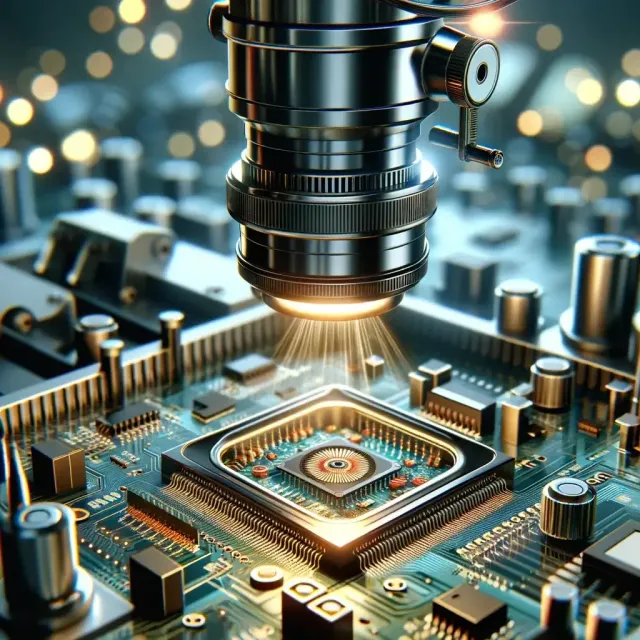
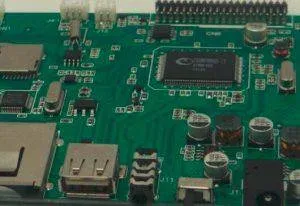
A surface-mount device is a component designed for that process: chip resistors, SOICs, QFNs, BGAs, and so on. The package determines the footprint, the stencil aperture and the inspection method.

Why the distinction matters

When a drawing says "SMT assembly", it describes the process; when the BOM lists an SMD, it describes the part. A mixed board needs both processes documented, and the through-hole side must not be reflowed with parts that cannot take the profile.
Technical Specifications

SMT
surface-mount technology — the assembly process
SMD
surface-mount device — the component package
Mixed builds
SMT reflow followed by selective or wave solder

Frequently Asked Questions

  • Can a board use both SMT and through-hole parts?

    Yes, and most industrial boards do. The SMT side is printed, placed and reflowed first, then through-hole parts are inserted and soldered by selective or wave solder. The design rules for each side differ, so the assembly drawing should state which process applies where.

  • Is an SMD always smaller than a through-hole part?

    Usually, but not always: power resistors and connectors can be large in either package. What changes is how the part is attached, and therefore which process, stencil and inspection method the board needs.

← Blog

Related engineering notes

Request a customer quote

Free engineering review and quote for PCB manufacturing, PCB assembly, component sourcing and box build.